A buyer once told me, "I went in Food City and three people spoke before I even got to the bread aisle." That's a pretty good picture of what folks mean when they talk about community around Manchester.
Clay County isn't a place where people pretend not to see each other. You'll get a nod in the parking lot. You'll hear, "How's your mom doing?" even if they only met her once. After a hard rain, somebody's going to mention which creek got up and whose driveway washed.
If you're reading up on moving to Manchester, community is part of the decision, right there with the house itself. The same home can feel totally different depending on the road, the neighbors, and how close you are to the routines that matter to you.
What people mean by community
Around here, community isn't a slogan. It's mostly small, practical things.
People talk to each other in everyday places. You'll see it at Save A Lot, Food City, Walgreens, and the little stops along US-421 where everybody seems to run into somebody they know. It's not scheduled. It's just life.
And people show up. Not in a perfect, movie kind of way. Clay County has the same disagreements and hard days anywhere has. But when somebody needs a hand, folks tend to step in. Sometimes it's lending tools. Sometimes it's telling you who to call. Sometimes it's keeping an eye out when the weather turns.
If you're not used to it, the questions can feel direct. "Where you from?" "Who's your people?" A lot of that is folks trying to connect the dots, not pry. Give it a little time and it starts to feel normal.
Why Manchester feels like the center
Manchester is the county seat, and for day to day life it's where things come together. If you live out in the county, chances are you're still coming into town for school events, a prescription, a doctor visit, or groceries.
A few things make Manchester feel like a hub.
The main roads run right through it. US-421 is the one most people talk about, and KY-80 (Hal Rogers Parkway) is how a lot of us get toward London or Hazard. KY-11 runs you out toward Oneida and on toward Booneville.
Healthcare is here too. AdventHealth Manchester is in town, and Grace Community Health Center is another place people use. For bigger specialty care, most folks head to London or Lexington.
You'll also notice community identity is tied to place. People here don't just say they live in Clay County, they'll tell you which creek, which hollow, which side of town, or which community. Goose Creek runs right through Manchester, so you'll hear it mentioned like it's a neighbor.
Oneida and the smaller communities
Manchester isn't the whole story. A lot of Clay County is made up of smaller communities and rural pockets, and they have their own rhythm.
Oneida is the one I'm asked about the most, especially by buyers who want a little more quiet but still want to be near town. It has a close feel, and it's also where Oneida Baptist Institute is, which is part of the area's identity.
If you want to look around there, start with
Living rural is wonderful for the right person, but it comes with real-life details that matter. Some homes are on gravel roads. Many use well water, septic, and propane or electric heat. If you're thinking about land and a more spread-out place, I'd read rural properties with acreage in Clay County before you get too far down the road. You don't have to attend every event in town to belong. Most people don't. But if you're new, it helps to know where connection happens without trying so hard. School is a big one. Clay County School District runs the high school, middle school, and the elementary schools, and school activities shape the calendar here. On game nights you'll feel it, even if you don't have kids. Churches matter too. Church homecomings are still a thing. They bring families back around, and they're one of the times you'll see how connected people are across the county. Downtown, the Goose Creek Swinging Bridge is one of those spots people point out, and the farmers market on Main Street in season is another good place to run into folks. Clay County Days brings people together too. For a lot of newcomers, the first real "I know somebody" moments happen in ordinary routines, not big events. You see the same cashier. You end up in the same line at the pharmacy. You start to recognize trucks and last names. If food and errands are how you settle into a place, shopping and groceries in Manchester is a good read. People think community is just a feeling. It's also practical. It can change what kind of property makes sense. In town, you're closer to stores, schools, and clinics, and you're going to see neighbors more often. In an in-town neighborhood, it's normal to speak when you're outside or to keep an eye on each other's place. Out in the county, you can have more privacy and land, but you trade for distance and road conditions. You might not see your closest neighbor every day, but when you do need help, that relationship matters a lot. Flooding is one of the big "practical community" topics here. Creeks and bottoms are beautiful, but they can flood, especially in wet spring weather and fast storms. Goose Creek runs through town, and there are creeks all over the county. If you're looking at a place along a creek bottom, you want to ask questions, look at the lay of the land, and pay attention after heavy rain. (For anything insurance related, talk to your insurance agent, because the details vary.) The other thing I tell buyers is to think about what you need to do every week. When you're clear about your weekly life, it gets easier to decide if you want to be in town, near Oneida, or farther out. If you're early in the process, buying a home in Manchester is a good place to start. If you're coming from out of state, relocating to Manchester from out of state answers a lot of the questions I hear on the phone. Some folks worry they'll always feel like an outsider. What I see is that people do fine when they're steady and respectful. You don't have to change who you are, but you do have to be willing to speak. Start with the places you'll already be going. If you're in town, you'll naturally get to know people through errands. If you're out in the county, take the time to learn your road, your closest neighbors, and who to call when you need something. Ask for recommendations. That's one of the quickest ways to connect here. People take pride in telling you who does good work, and they'll also tell you who they don't call anymore. Give it time. Relationships here aren't built in a weekend, but they're solid once they take. And when you're picking a home, match it to how you actually live. If you want quiet, don't buy right on a busy stretch of US-421. If you want to be able to run to Walgreens in five minutes, don't pick a place that turns into a long drive every time it rains. Yes. People will talk to you, ask where you're from, and try to place who you know. If you're polite and you show up more than once, you'll be treated like you belong. Go where folks already go. The grocery store, school events, church, and local seasonal events are where conversations start. Ask for a recommendation for a mechanic or a plumber and you'll get a real answer, sometimes with a phone number. Town is easier for errands and you'll see people more often. Out in the county you'll have more space and quiet, but you still need dependable access and you'll lean on neighbors in a different way. It depends on the house and the road it sits on. Call me at (606) 599-5774 or send a message and tell me what kind of day to day life you want. I'll help you narrow down areas that fit.The places newcomers plug in
How it affects the kind of home you pick
Getting settled without forcing it
Questions I get asked
Is Manchester friendly to people who didn't grow up here?
What's the easiest way to meet people after you move?
Should I live in town or out in the county?
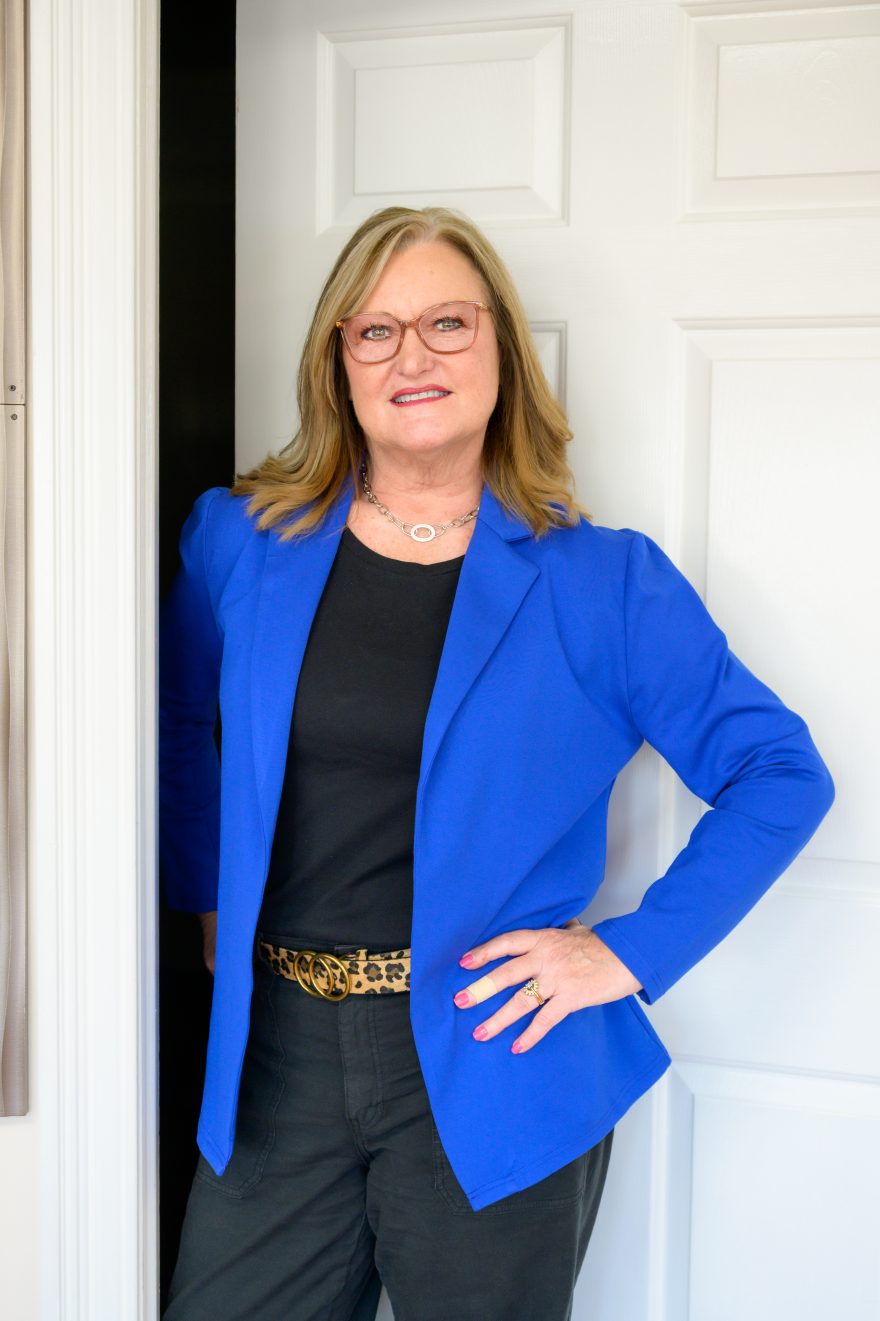
Deborah Campbell
REALTOR® with Sallie Davidson, REALTORS, and a lifelong Clay County resident. Questions about this article or a property? Send a message or call (606) 599-5774.