A buyer asked me once, "So is a foreclosure just a cheap house?"
Sometimes it is. A lot of times it is just a house with a different kind of seller and a different set of rules.
Foreclosures do pop up in Manchester and out in the county in places like Oneida, Goose Rock, Burning Springs, and Big Creek. When they do, people notice because prices in Clay County are already lower than a lot of Kentucky, and anything that looks like a bargain gets attention.
What foreclosure means here
Foreclosure is what happens after someone falls behind on the mortgage and the lender takes legal steps to get the property sold. Buyers usually run into foreclosures in three stages.
Pre-foreclosure
This is before the home ever becomes a bank owned listing. The owner is behind and trying to sell. When it works, it feels like a regular sale, you're dealing with a person, not an institution.
In a small county, news travels fast. People hear a house might be headed that direction and call about it. If you hear something by word of mouth, slow down and verify what's real. Timelines matter, and you do not want to spend money or get emotionally attached before you understand where it stands.
Auction
Some foreclosures sell at auction, sometimes at the courthouse steps. These move fast. You may need funds quickly and you may not get the inspection access you're used to.
Auctions are where some folks find deals, but it's also where the risk jumps way up. I tell most buyers to watch a couple auctions before they ever bid.
REO, bank owned
This is what most people mean when they say they're "shopping foreclosures." The bank ends up owning it and lists it for sale.
REOs are usually the most approachable route if you want a foreclosure type opportunity but still want a listing, showings, a title process, and a chance to do normal due diligence.
Why buyers keep an eye on them
Foreclosures are not automatically cheap, and they are not automatically disasters. They are just being sold under a different set of circumstances.
One reason buyers look is the price. Banks want the house sold. If the home needs repairs, the list price may reflect that.
Another reason is sweat equity. Clay County has plenty of older homes and properties that have had maintenance put off. If you're handy, or you've got a contractor you trust, a foreclosure can be a way to turn work into value.
And yes, investors pay attention. Some want rentals, some want a project. If you're thinking more along the fixer upper line than the foreclosure label, take a look at fixer-upper opportunities in Clay County. A lot of the same common sense applies.
The risks that bite people
A foreclosure can be a perfectly solid purchase. You just need to go in assuming the seller will give you less information and less flexibility. It depends on the house, but these are the problems I see the most.
Sold as-is, with unknown history
Most bank owned properties are sold as-is. That does not mean the house is hopeless. It means the seller is not living there and is not going to negotiate like a regular homeowner.
Utilities may be off, which can limit what an inspector can test. The bank may not have any real answers about the age of the roof, whether the heat works well, or what happened in the crawlspace last spring.
In Clay County, I'm extra alert for roof leaks, soft spots, and moisture. Crawlspaces and basements can tell you a lot. Musty smell usually has a reason.
Also pay attention to the heating setup. We get four seasons here. Winter ice on hollow roads is real, and you don't want to discover after closing that the heat source is unsafe or not working when it's cold.
Title and paperwork can be messier
Foreclosure transactions can involve extra title work. Liens and unpaid taxes can come up and have to be cleared before you can get marketable title.
This is not something you guess at. You want the right professionals handling the closing side of it.
Communication is slower and less personal
When a local seller is living in the home, you can usually get quick answers. With a bank, everything runs through their system. They may take longer to respond, and sometimes the person on the other end has never seen the property.
Financing can be harder on rough houses
Some houses will not qualify for certain loan types if there are major habitability issues. Missing flooring, roof damage, no working heat, or unsafe electrical can stop financing, even when the price looks good.
That does not mean you cannot buy it. It means you need to talk to a lender early, before you assume you can finance it.
Repair costs can grow fast
With any older or neglected house, the first list of repairs is not always the last list. Once a contractor opens up a wall, or once you get water running, you can find more.
If you want a good way to think about the non purchase price costs that creep in, read hidden costs of buying a home in Manchester. Even on a "deal," you still have to live through the holding costs.
Where foreclosures show up
Most people start online, and that's fine. Foreclosure inventory can appear and disappear quickly, so I like to cast a wide net.
MLS listings are the cleanest place to start. Many REOs are listed like any other home, with an asking price and a standard offer process.
Auctions are a different animal. If you're new to buying in Clay County, I'd rather you watch a few before you bid, or buy with someone experienced on your side.
And then there's local talk. In a county this size, sometimes the first hint is a neighbor, a family member, or a contractor who knows a home is in trouble. Those leads can be real, but they can also be half true. Verify everything.
What I check first on a showing
You do not need to be an inspector to spot red flags. I walk foreclosure showings a little slower and a little more skeptical.
Here are a few things I'm looking at right away.
- water staining on ceilings, around windows, and on baseboards
- floors that feel uneven, doors that stick, cracks that look fresh
- the electrical panel and any obvious wiring issues
- signs the house has been sitting closed up for a while
- whether we can turn on utilities for inspection, and if not, why
If inspections are allowed, I like a strong plan. A general home inspection is the starting point. In rural areas, septic and well evaluations can matter just as much as the roof.
A lot of county homes are on well water and septic, and a lot use propane or electric heat. If you want to think through well versus city water questions before you ever make an offer, well water vs city water in Clay County homes is a good read.
Don't ignore access and utilities
In town, most things are straightforward. Out in the county, the basics can change from one road to the next.
Road access matters more than people expect. Gravel roads and steep driveways are normal in parts of Clay County. That's not a deal breaker. You just want to think about it in the rain, in winter weather, and for everyday life.
Internet and cell coverage can also vary by area. If you work from home or your kids need stable connection for schoolwork, ask early and verify. This is one of those things you do not want to find out after closing.
Manchester versus the county
Location changes the whole foreclosure equation.
A foreclosure in or near Manchester usually means easier access to contractors, pharmacies, groceries, and the everyday stuff. Save-A-Lot and Food City are right in town, and AdventHealth Manchester is here too. If you are commuting, US-421 and the Hal Rogers Parkway (KY-80) are the routes most folks use.
Out in places like Oneida, Burning Springs, Goose Rock, or Big Creek, you get more variation. Water source and septic become higher priority questions. So does driveway and road maintenance. I also pay closer attention to creek bottoms because flooding along creeks is a real consideration in this county.
If you're narrowing down neighborhoods and you want to see what's available in town, you can browse Manchester homes and area info.
Making an offer that holds up
Foreclosures reward clean paperwork and realistic expectations.
First, be clear on your financing and your timeline. If you're financing, make sure your lender is prepared for a property that may need extra documentation or repairs. If you're paying cash, you can move faster, but you still want protective due diligence whenever possible.
Second, be honest about repair numbers. A vague "needs work" is not enough. Even if you can't get contractors in before you offer, you can still ground your decisions in what you see and what you know about common issues here.
Third, do not waive contingencies just because you feel pressured. Some buyers do it to win. Sometimes they regret it. If the house will allow inspections, use that window.
If you're in the early stages of learning the process, start with buying a home in Manchester. If you're moving in from outside the area and trying to get your bearings, moving to Manchester helps you think through the day to day parts of living here.
When it's a good fit
A foreclosure tends to work out best when you have a repair budget with some cushion, you can handle as-is condition, and you have patience for a bank's pace.
It's usually a poor match when you need move in ready right away, your budget is tight with no room for surprises, or you're using a loan program that requires the home to be in solid shape on day one.
If you're weighing renting versus buying and trying to run the numbers, rent vs buy in Manchester will help you think it through in a realistic way.
Questions I get asked
Are foreclosure homes always cheaper around Manchester?
No. Some are priced under other listings, especially if they need work, but the deal depends on condition and what it will cost to make it livable. I always tell buyers to compare the total of price plus repairs to a normal sale in the same area.
Can I get a mortgage on a foreclosure?
Sometimes, yes, especially on an REO (bank owned) that's listed on the market like a regular home. If the house has big habitability issues like no working heat, major roof problems, or utilities that can't be turned on, financing gets harder. A lender has to tell you what they will and will not allow on that specific property.
What should I focus on first for a rural foreclosure?
Start with the stuff that's expensive or hard to change later. Water source (well or city), septic, roof, signs of moisture, road and driveway access, and whether you can get the internet and cell service you need. In creek bottom areas, I also want you thinking about flooding early.
Call me at (606) 599-5774 or send a message if you want to talk through a foreclosure you're watching, or compare it to other homes for sale in Clay County.
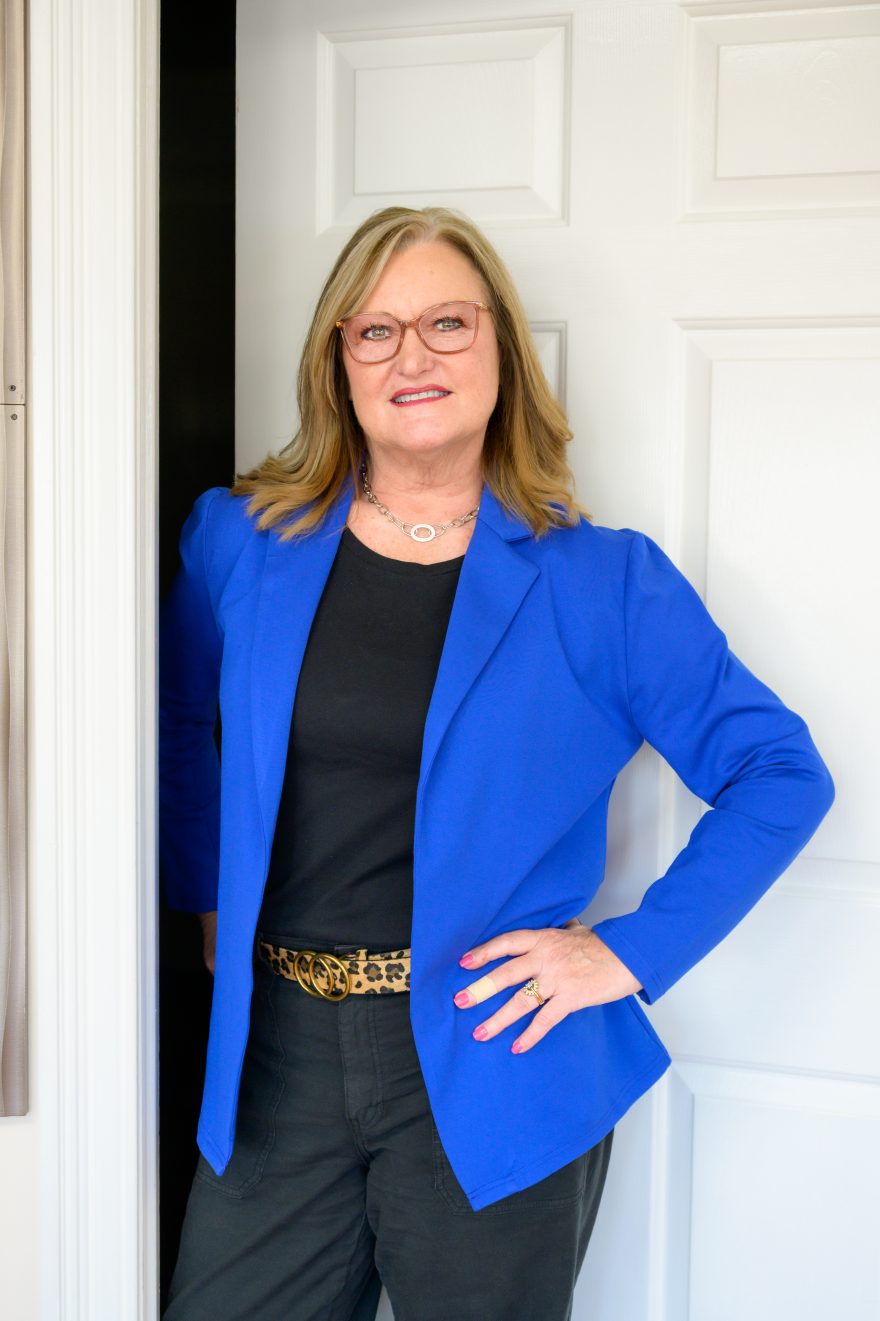
Deborah Campbell
REALTOR® with Sallie Davidson, REALTORS, and a lifelong Clay County resident. Questions about this article or a property? Send a message or call (606) 599-5774.